Figures on tissue donation 2025 in the network of the German Society for Tissue Transplantation (DGFG)
More tissue donations than ever before – a joint effort!
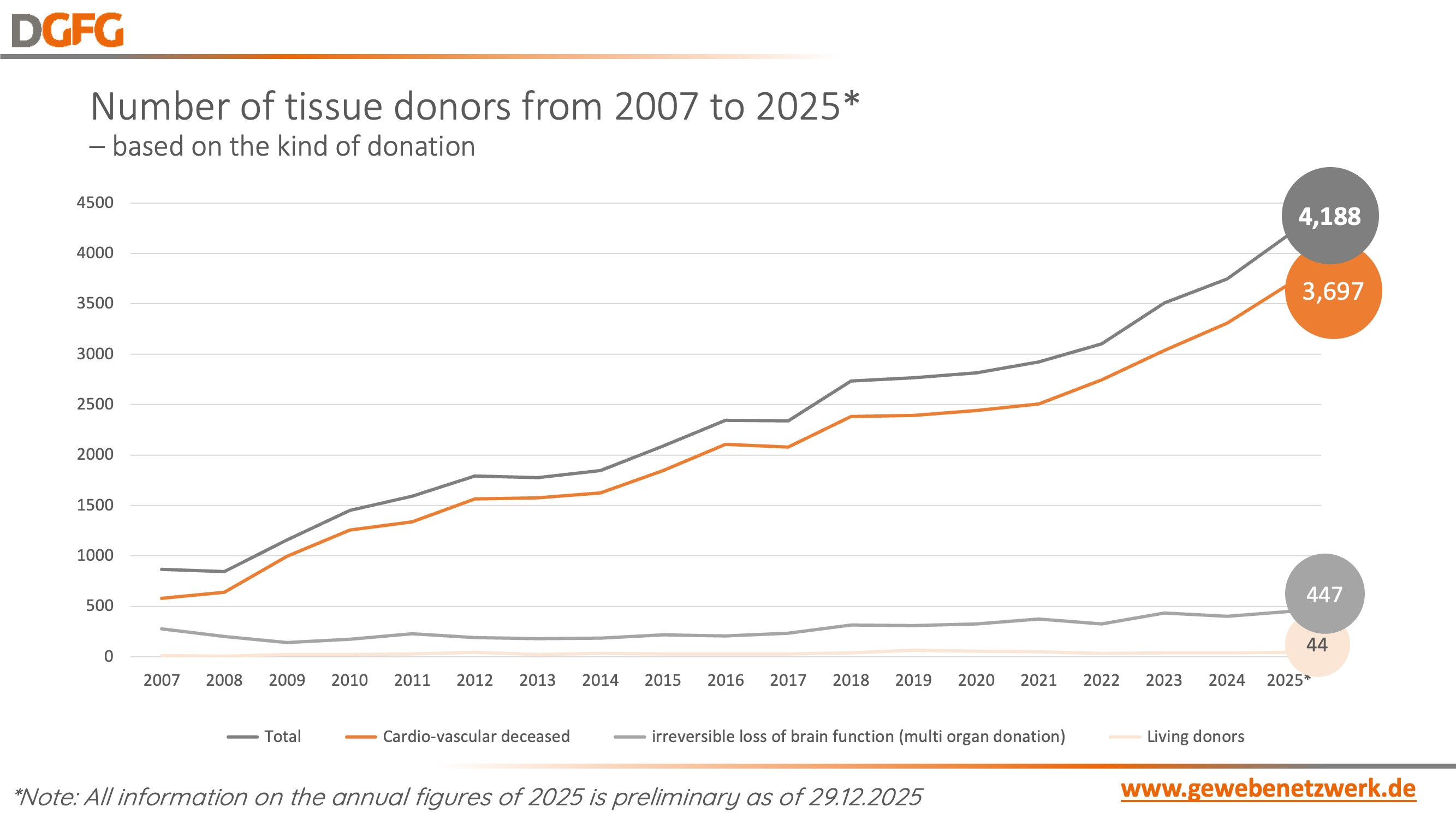
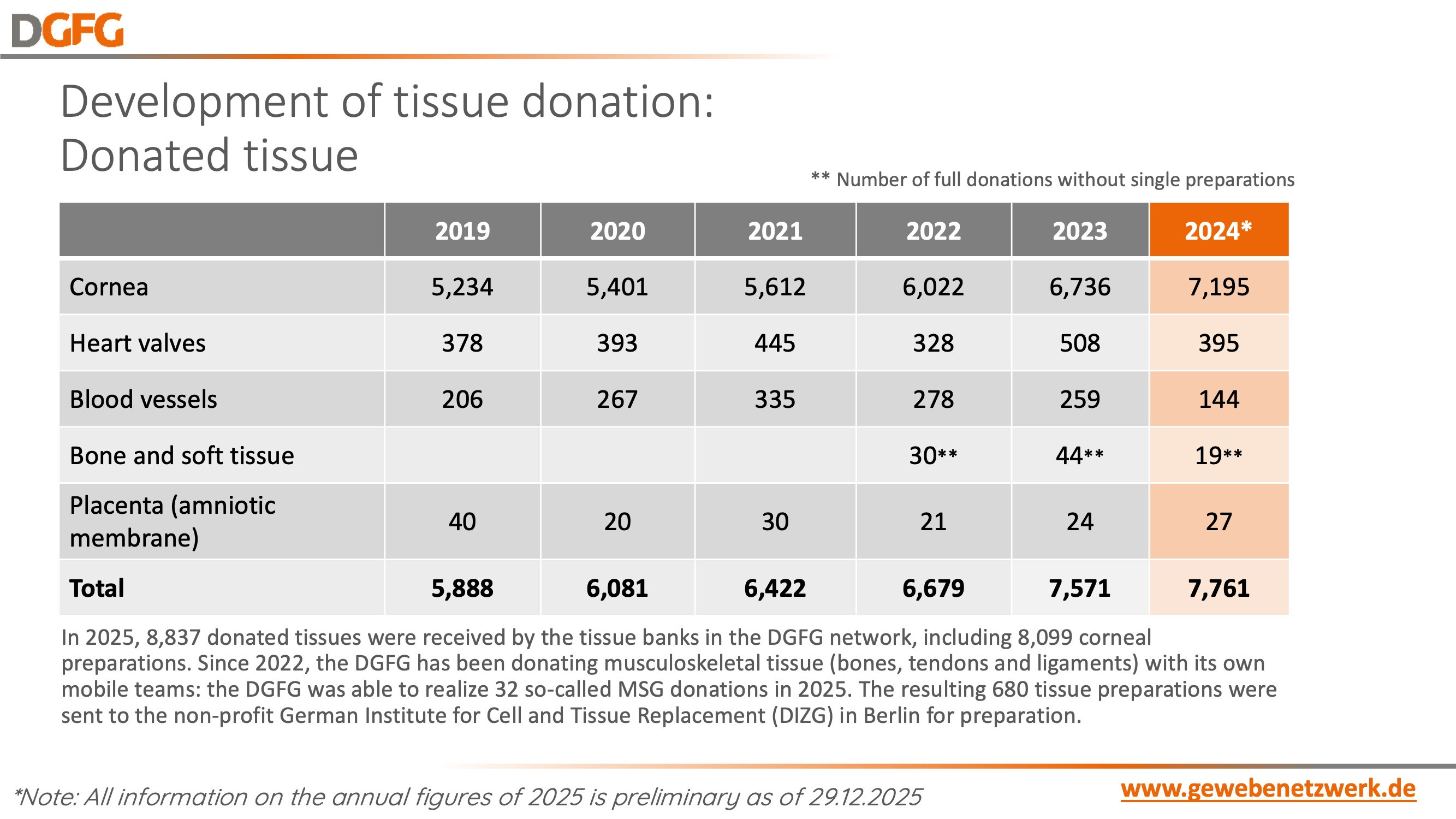
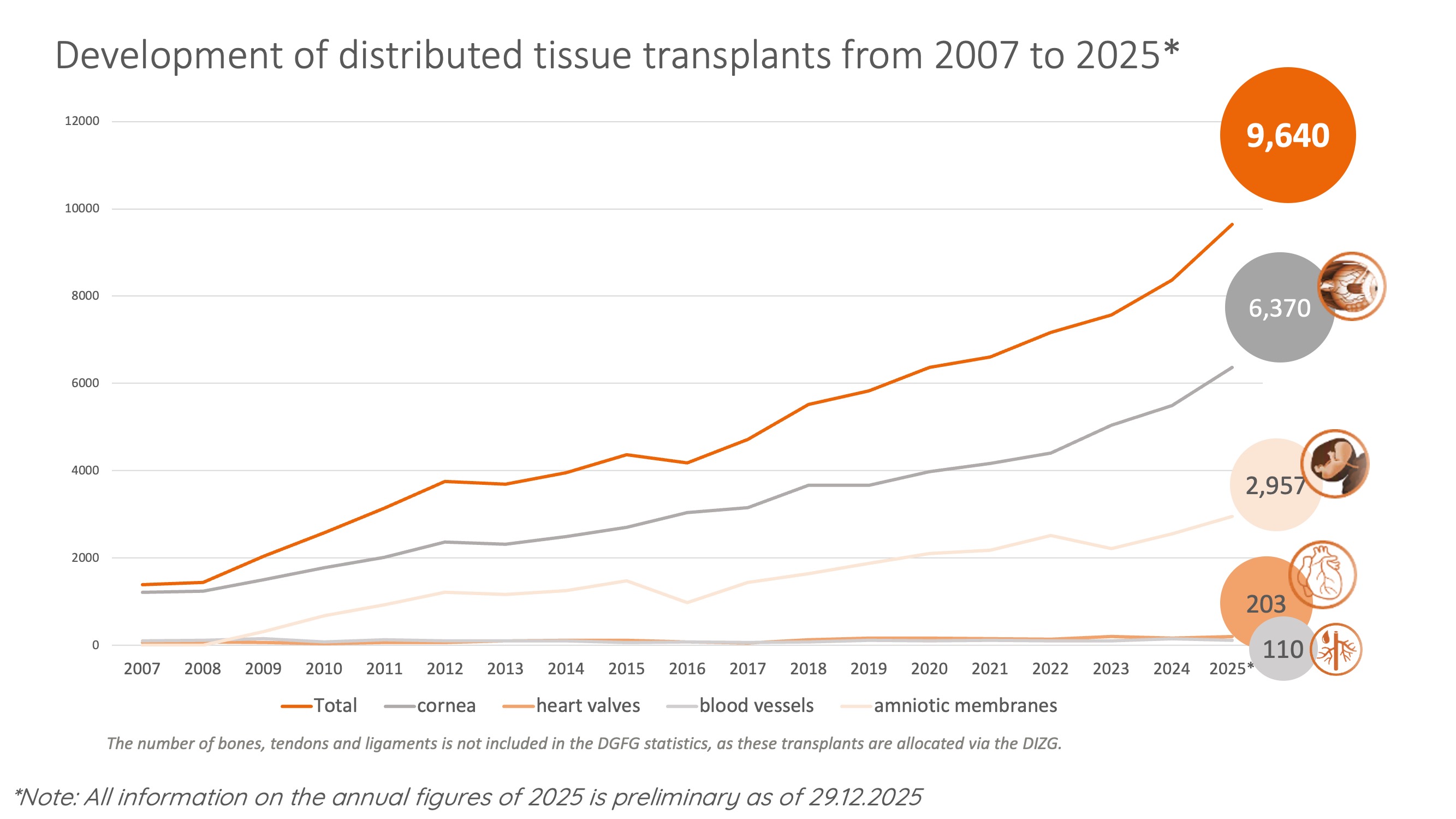
Hanover/Germany – 01.01.2026: Good news to start the year: never before have so many tissues been donated in Germany as last year. Although the percentage of consent was no higher than in 2024, the number of registrations, next-of-kin interviews, and thus also the number of people who donated tissue, was significantly higher than in 2024. 9,640 patients were able to receive a transplant from the network of the non-profit German Society for Tissue Transplantation (DGFG). This is an increase of 15.2% over the previous year – also a record figure.

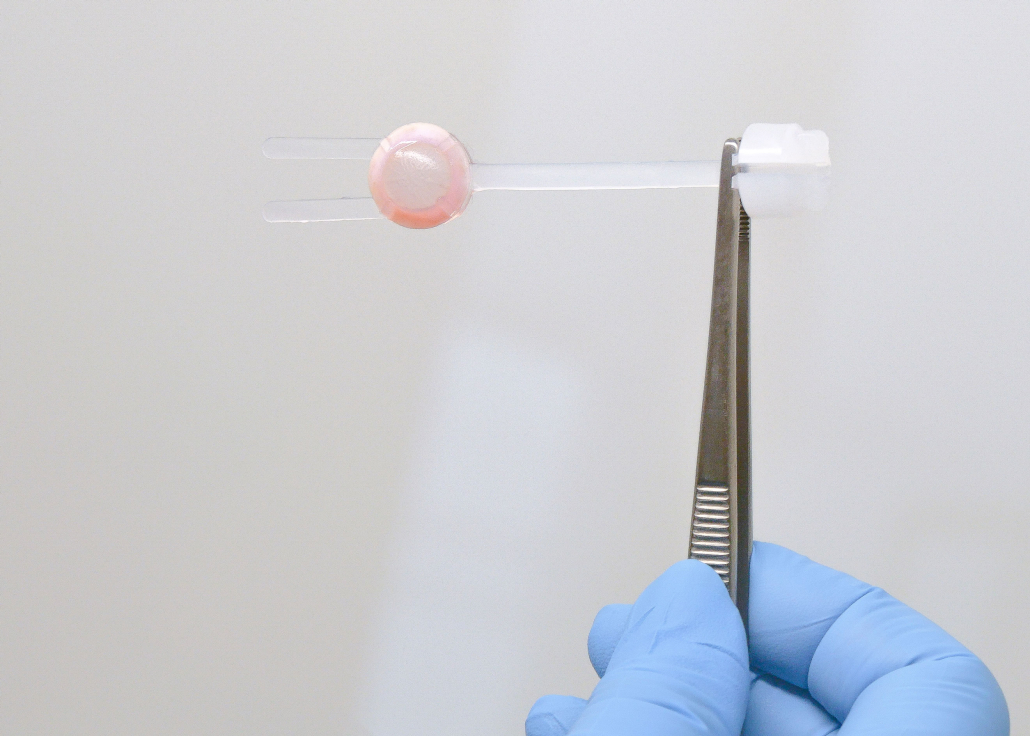
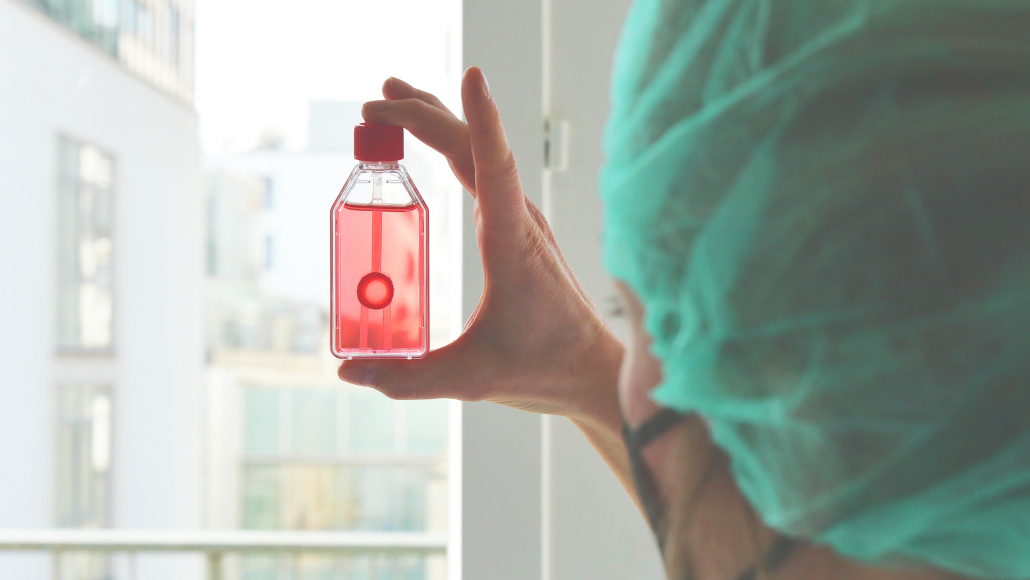
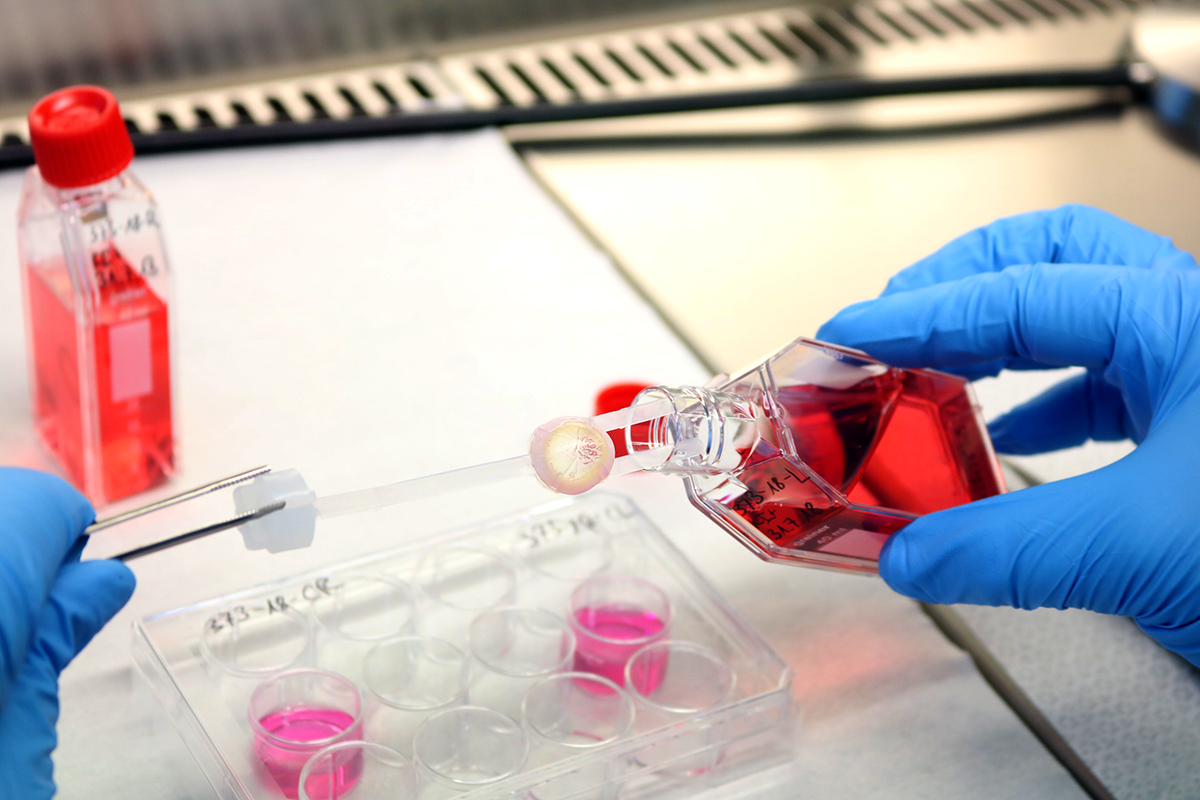
In 2025, the number of tissue donations in the German Society for Tissue Transplantation network increased again. Photo: Corneal transplant in a nutrient solution at the tissue bank in Hanover. Source: DGFG
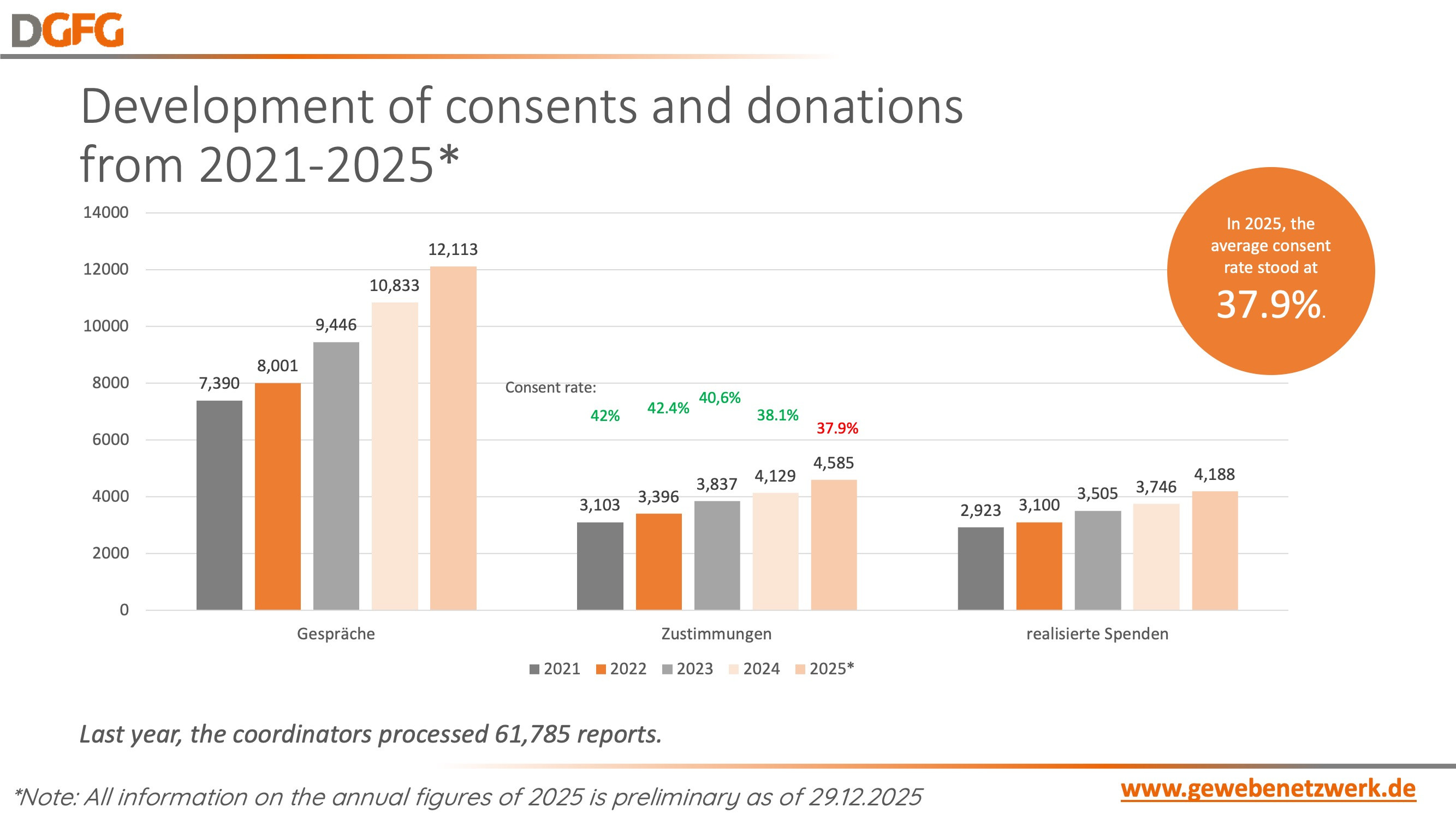
For the first time, the DGFG received over 60,000 reports of potential tissue donors from more than 320 institutions. In 2025, over 12,000 next-of-kin interviews about tissue donation were conducted, resulting in 4,585 cases of consent for donation. At 37.9%, the consent rate was only slightly below that of the previous year, and followed a downward trend of 0.2% over the past three years.

‘Overall, we look back with gratitude on a very successful year for donations in 2025. First and foremost, we would like to express our gratitude to the donors and their families. Their altruism and solidarity make tissue medicine possible. The fact that we were able to realise more donations while maintaining the same consent rate is also thanks to the fact that more and more clinics in Germany are registering potential donors and integrating tissue donation into their self-image. At a time when clinics and their staff are under such heavy strain, this cannot be taken for granted,’ says DGFG Managing Director Martin Börgel.
Corneas – most frequently donated, most frequently transplanted
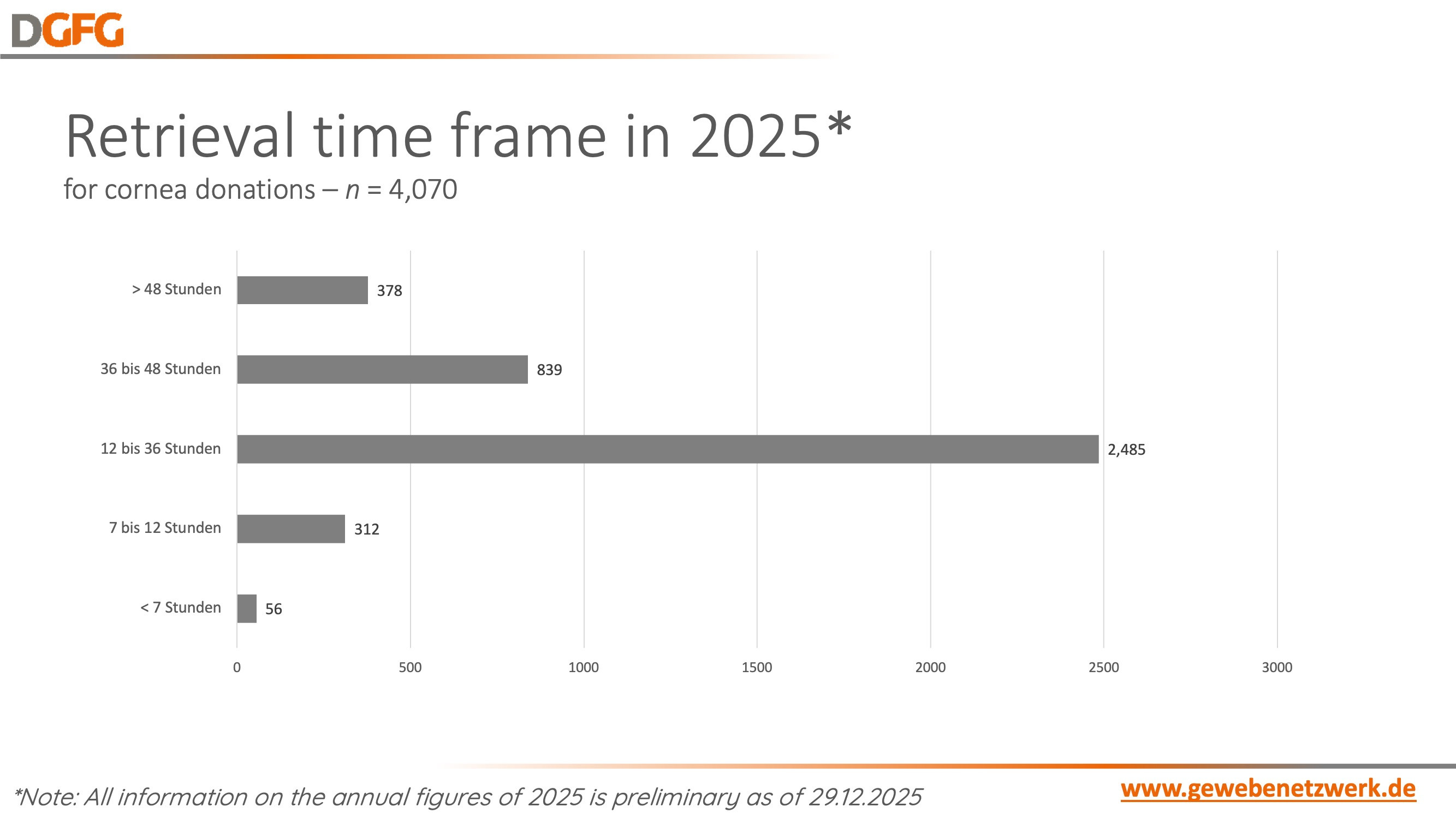
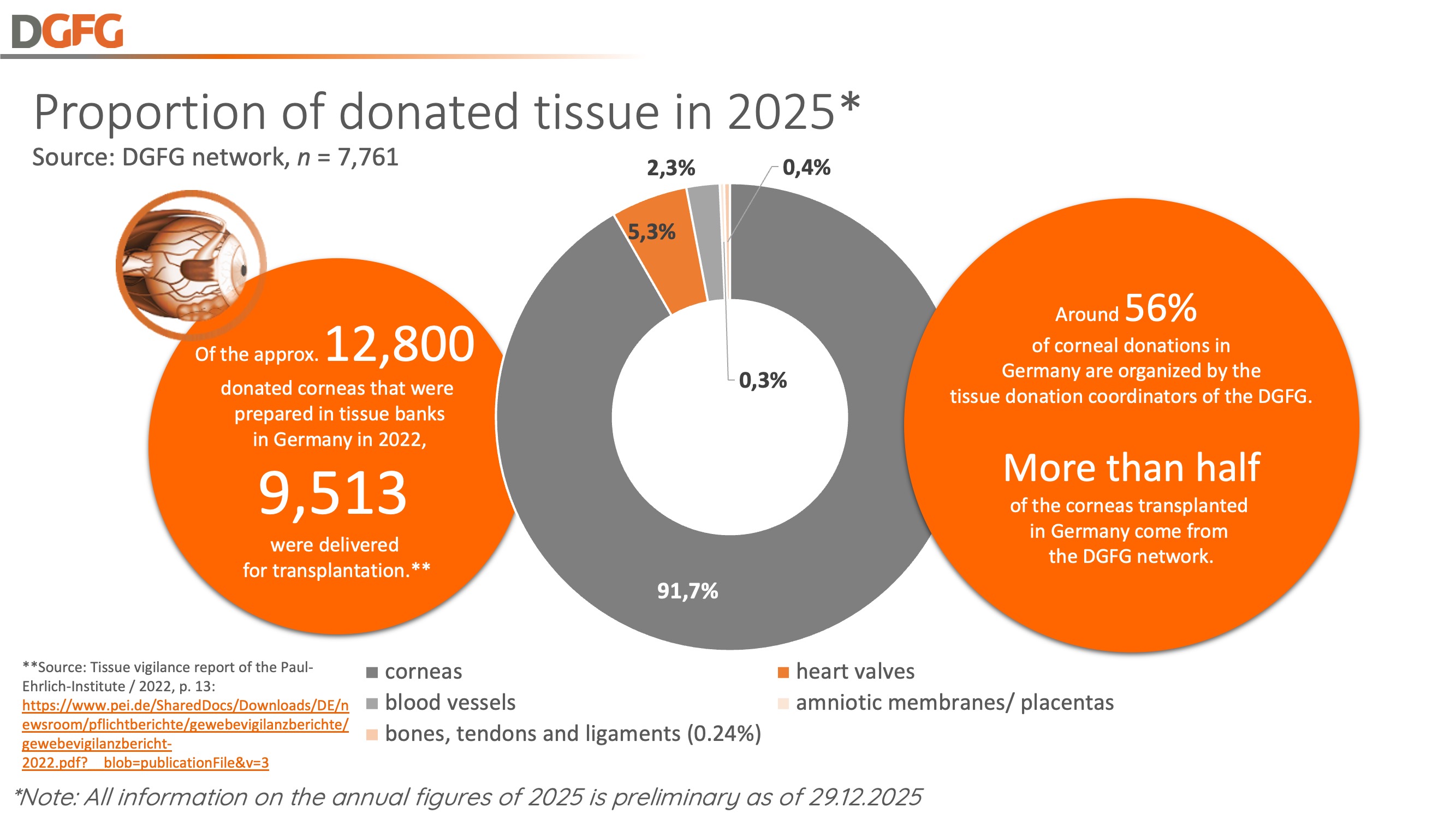
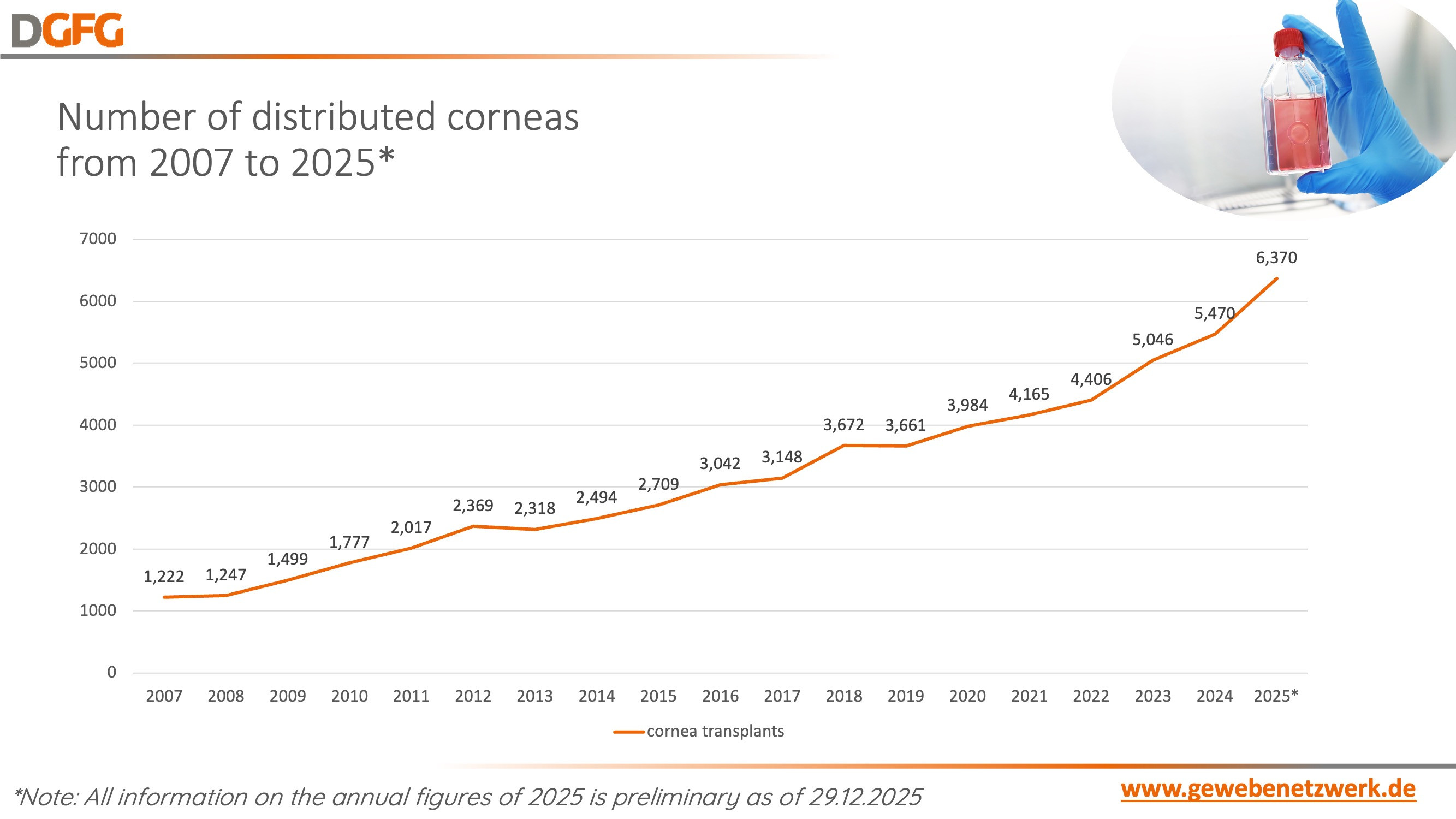
Of the total 4,188 tissue donations made, 4,070 people donated their corneas after their death. In 2025, 6,370 cornea transplants prepared in the tissue bank were sent to eye clinics for surgery, enabling patients to retain or regain their eyesight. This represents an increase of 16% over the previous year. Nevertheless, there is still a shortage of corneas and other tissues.
Shortage of heart valves despite increased number of donations in 2025
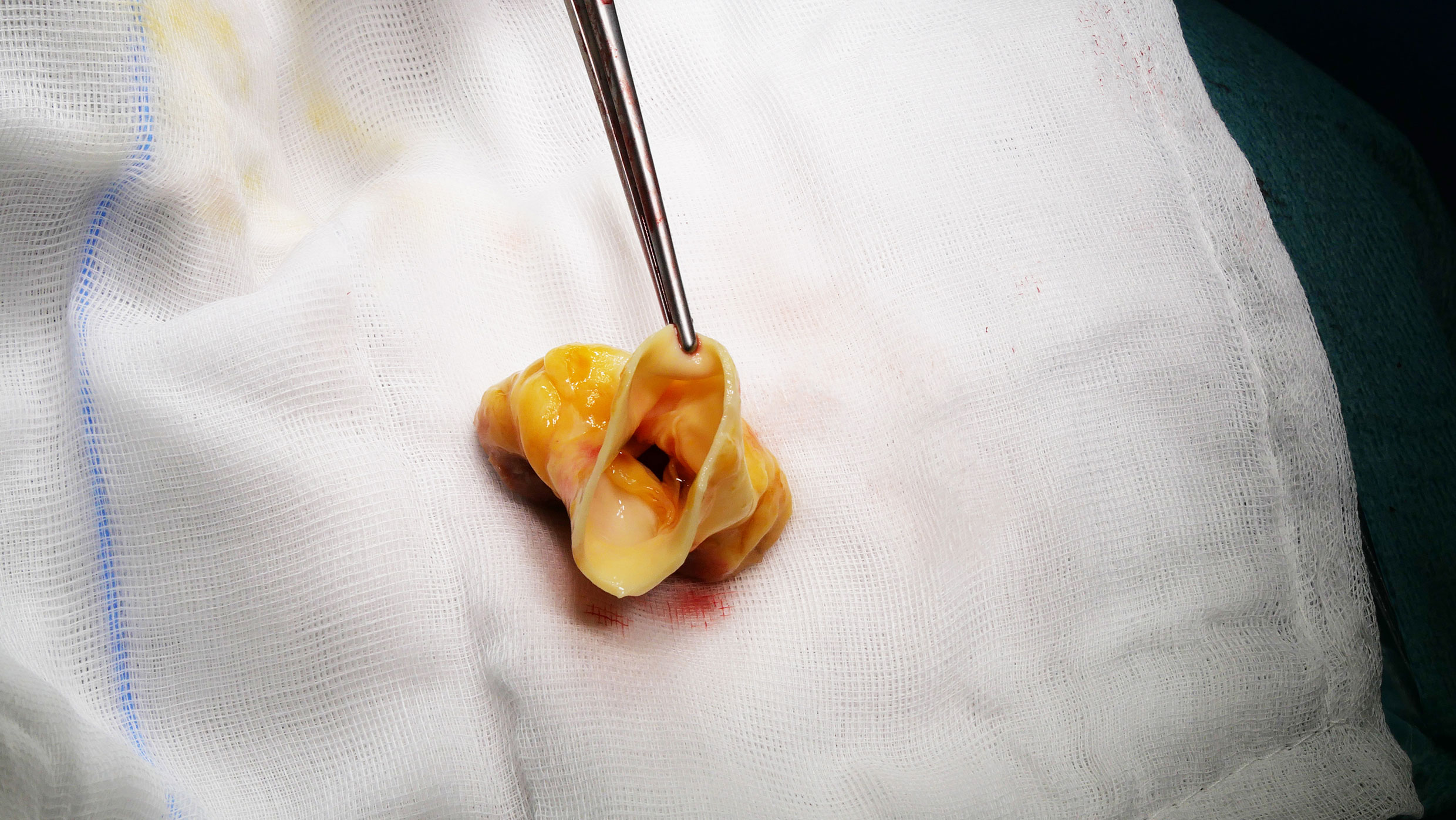
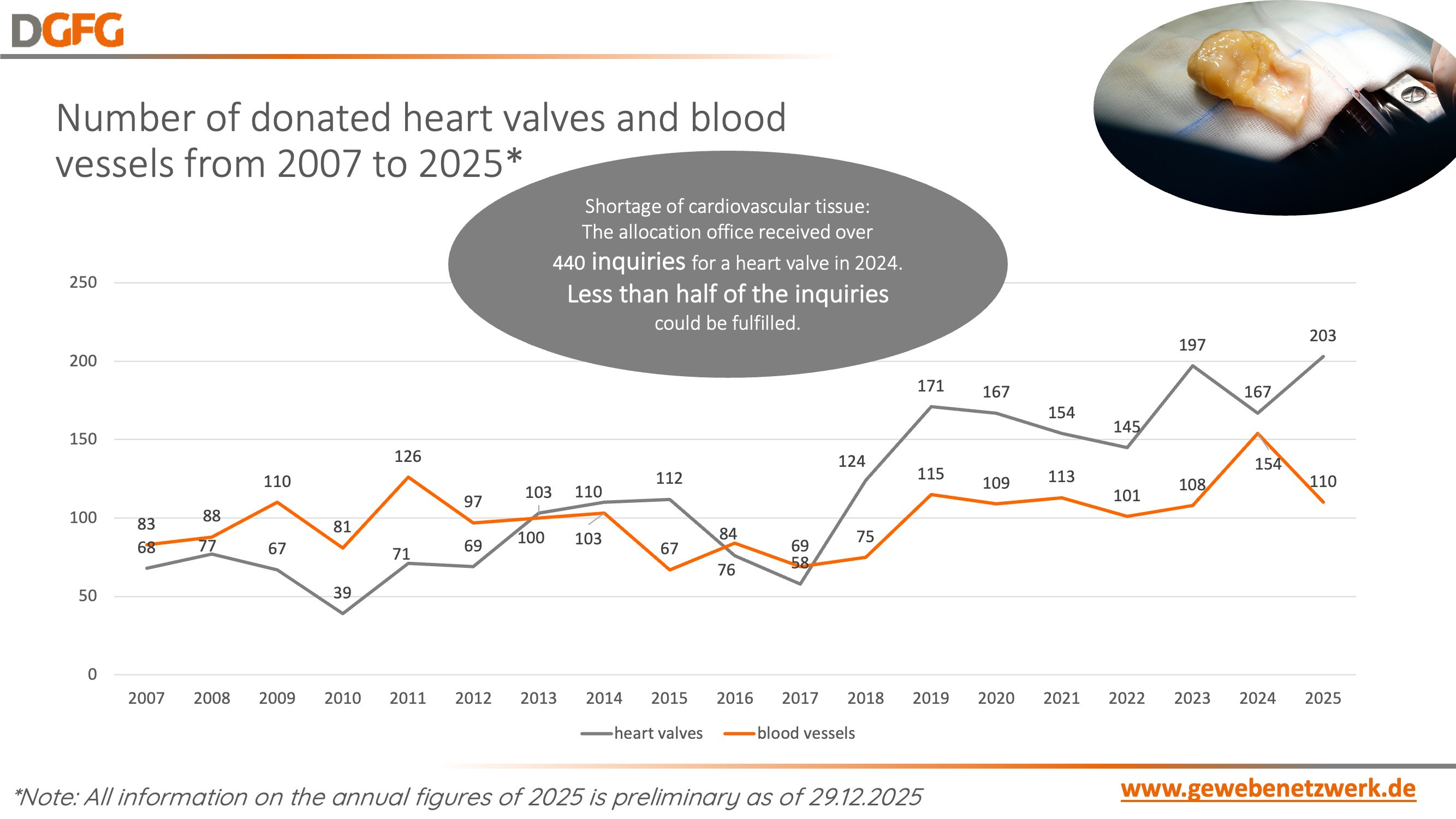
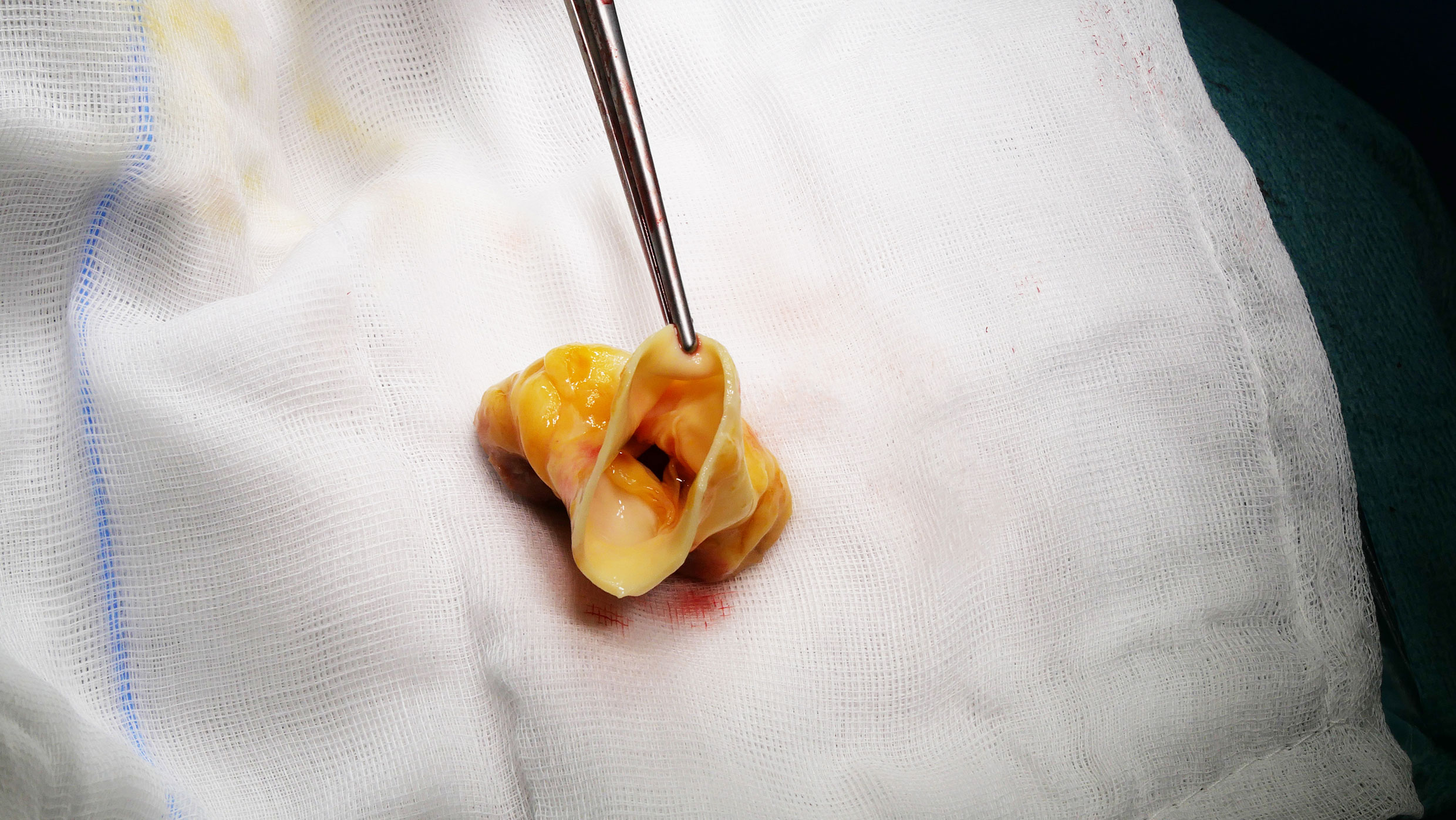
The shortage of heart valves is particularly severe: 84.4% of these were obtained from organ donations when the entire heart was medically unsuitable for organ transplantation. Their number is therefore linked to the number of organ donations carried out in Germany. In 2025, 472 heart valves were donated within the DGFG network, 18.3% more than in 2024. Nevertheless, the DGFG was only able to meet less than half of the requests, which highlights the importance of expanding donation programmes after cardiovascular death.
Innovation as the key to better patient care
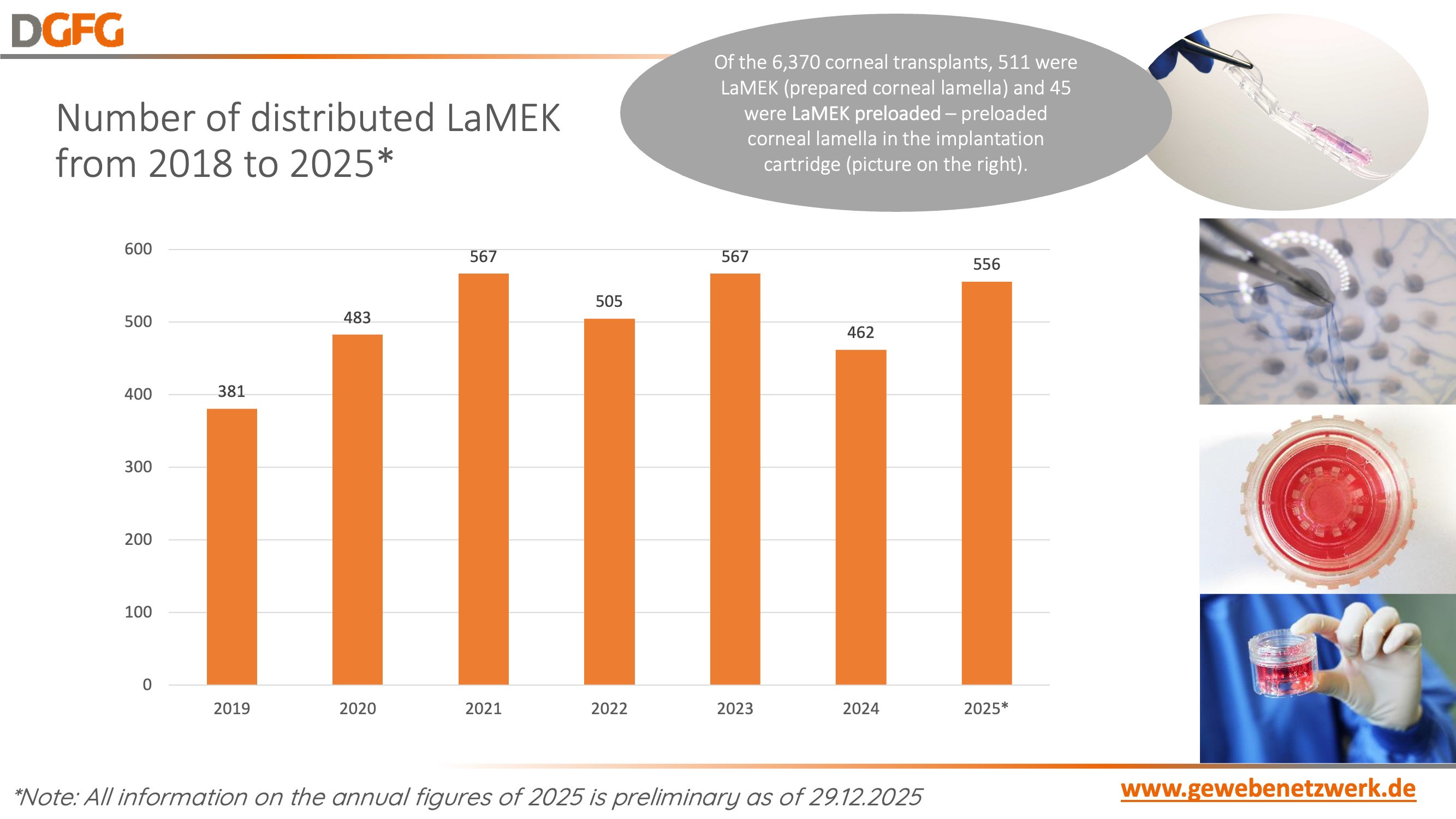
As a non-profit healthcare organisation, the DGFG works continuously to improve the supply of tissue in Germany, whether through the donation, processing and distribution of tissue transplants within the network or through the development of new procedures and tissue preparations. In 2025, the DGFG celebrated the anniversary of the LaMEK transplant, which was approved by the Paul Ehrlich Institute in December 2015 as a pre-prepared lamella for the so-called DMEK (Descemet Membrane Endothelial Keratoplasty) operation. In this surgical procedure, only the damaged endothelial layer of the cornea is replaced; the remaining tissue is preserved. For this technique, the surgical team in the operating theatre must prepare the lamellar layer of the cornea immediately before transplantation – an additional time and organisational effort that also carries the risk of transplant loss. LaMEK offers a pre-prepared, standardised and safe solution, as the lamella only needs to be removed in the operating theatre. This means that patients receive a quality-tested transplant and the burden on eye clinics is reduced. Within the DGFG network, LaMEK has been used 4,371 times since 2015, with 556 uses in 2025 alone.
The public should become more aware of tissue donation
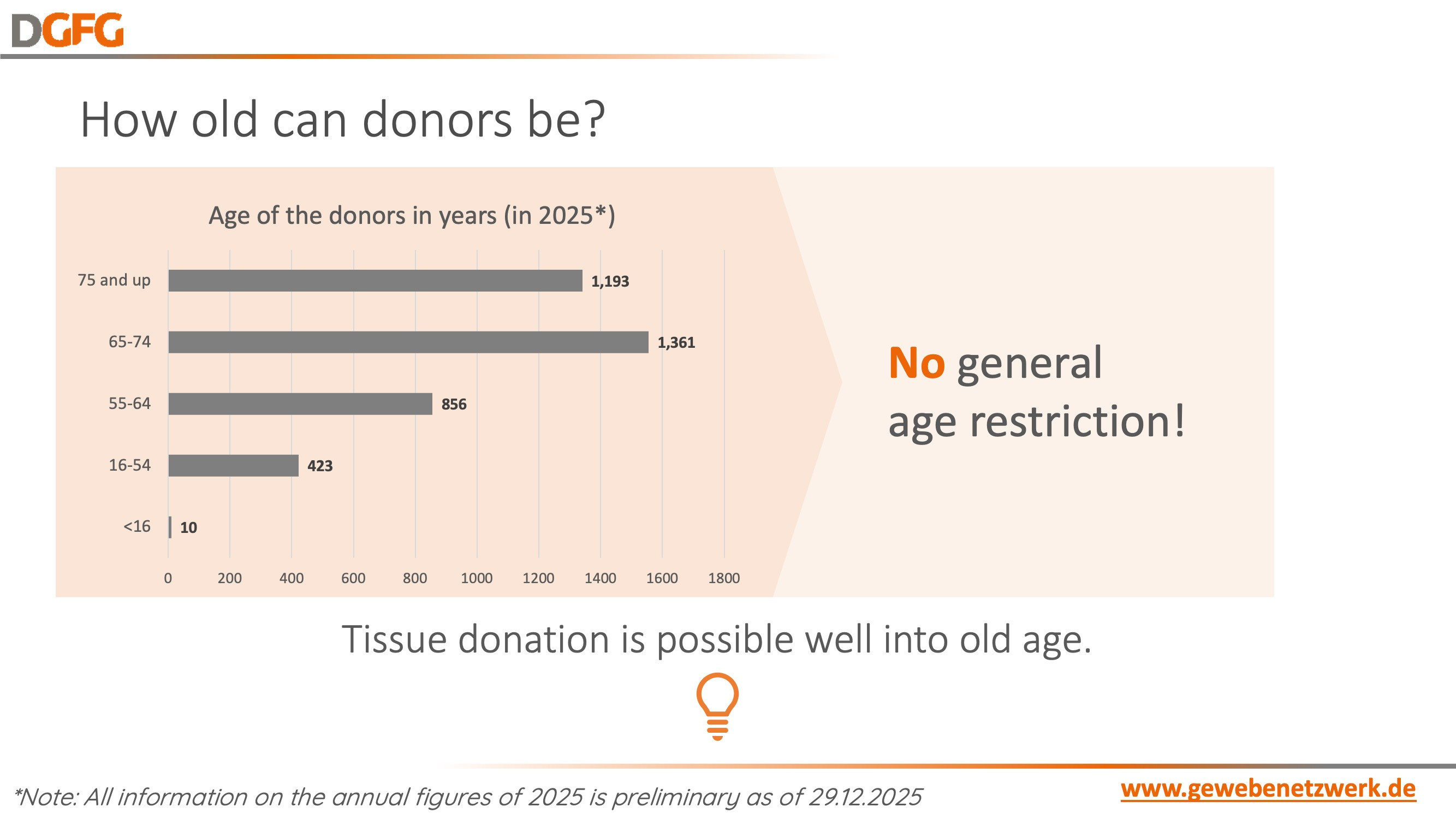
‘Unlike organ donation, tissue donation is often unknown to the general public. Many people are unaware of the option of donating tissue, which is possible even in old age and after cardiovascular death,’ explains Martin Börgel.
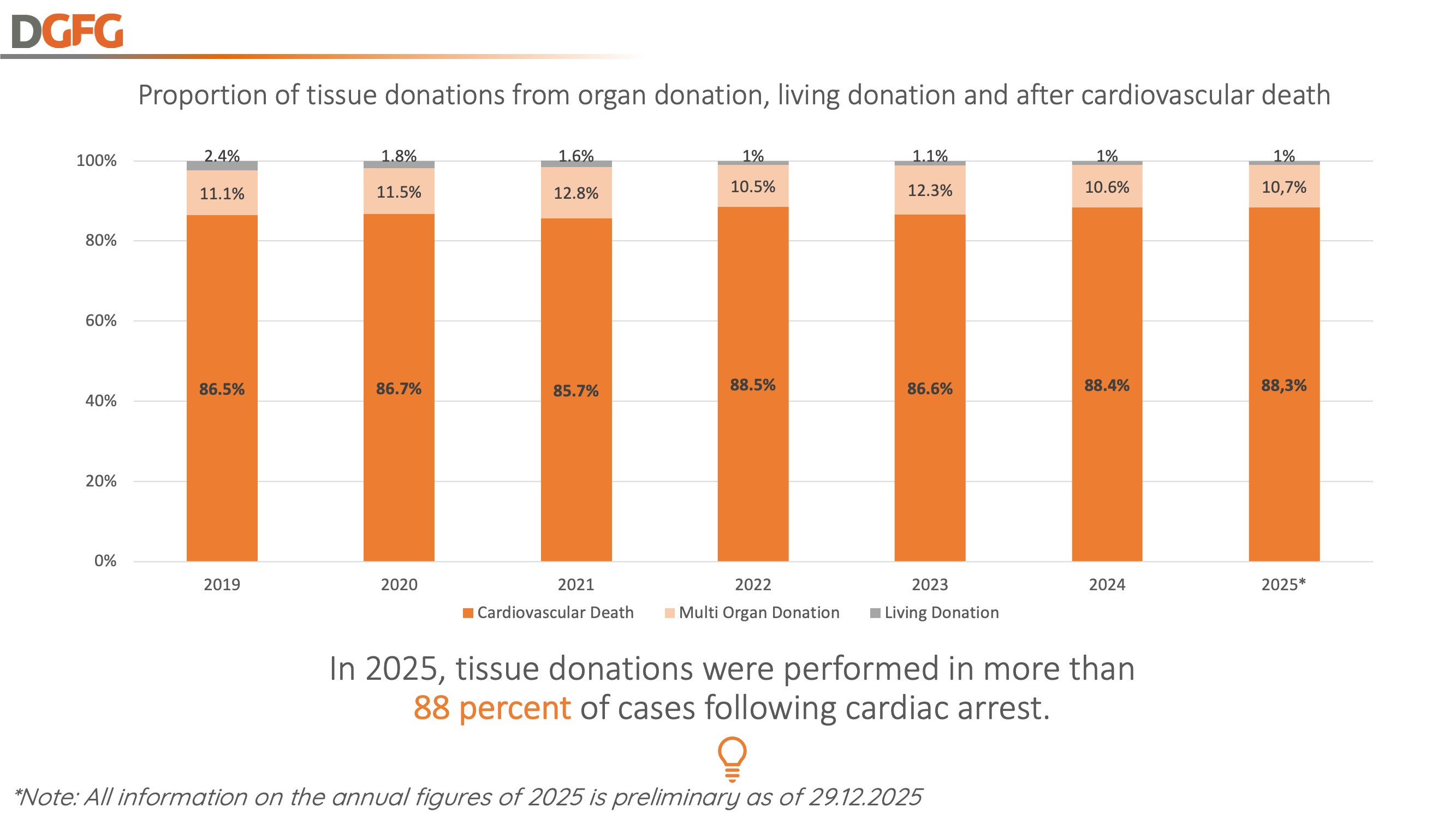
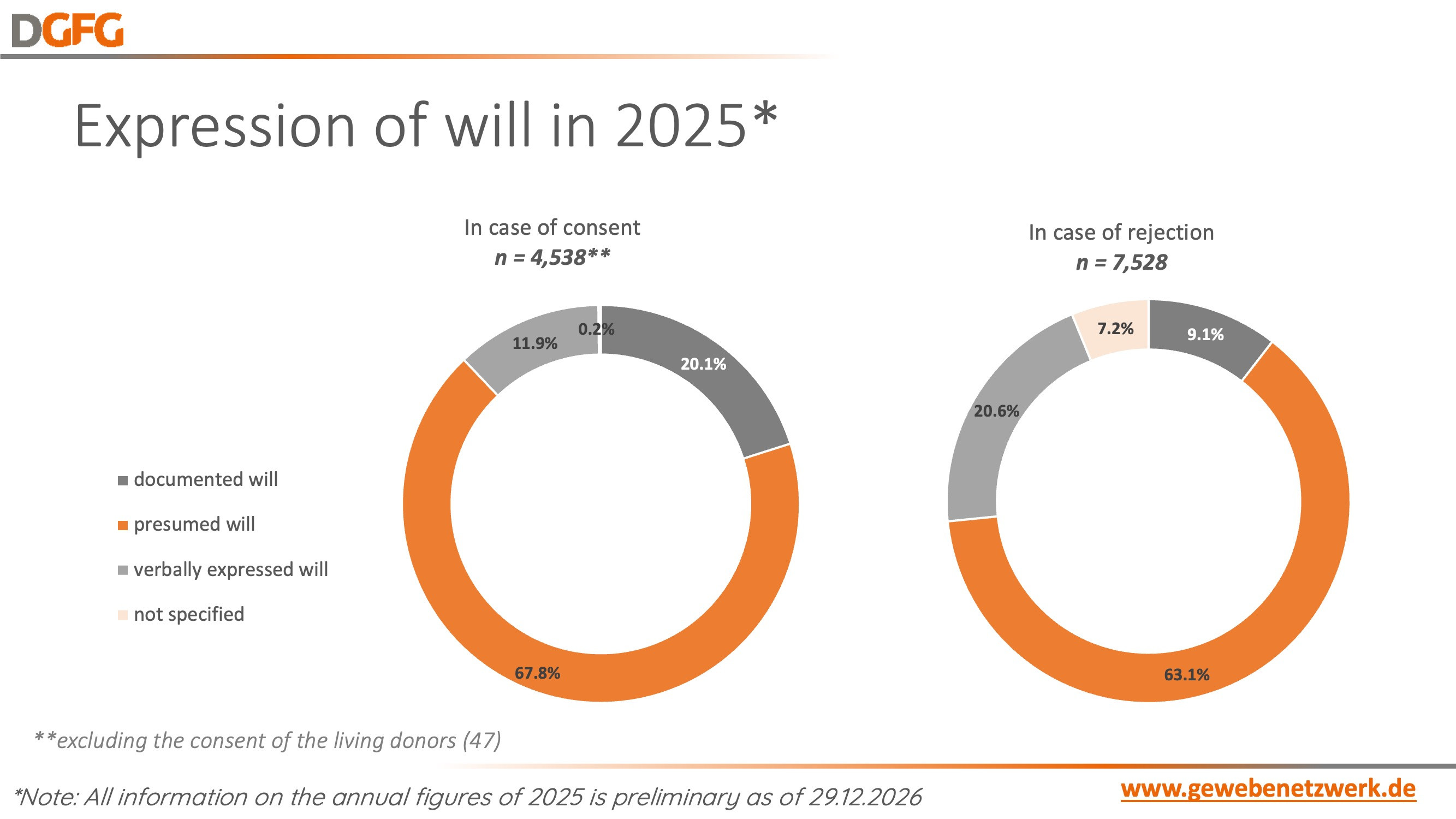
In Germany, 88.3% of donated tissue was realised after death, with the majority of donors falling into the 65 to 74 age group (37.1%). Thirty-two per cent of tissue donors were older than 75. In many cases, next of kin do not know whether the deceased had expressed a wish to donate tissue, or how they felt about it. Sixty-nine per cent of consents and 62.9 per cent of refusals were decided by next of kin in accordance with the Transplantation Act (TPG) based on the presumed will of the deceased.
‘That is why we are constantly working to raise public awareness of tissue medicine. For 2026, we hope that the level of education about tissue donation will continue to increase. Discussing the topic with relatives and loved ones during one’s lifetime makes it easier for them to deal with a difficult decision in a more than challenging situation.’
Connection of tissue donation facilities to the organ donation register
Another tool for expressing one’s wishes is the Organspende Register (OGR), which went into use in March 2024. Since then, 448,681 people have registered their consent or refusal to donate organs and tissue (source: www.organspende-info.de, as of 30 December 2025). In 2026, following the passage of the Drittes Gesetze zur Änderung des Transplantationsgesetzes, the legal basis will be created to allow tissue donation facilities to access the register and its entries. The bill was initially shelved in November 2024 when the governing coalition broke up, but was resumed by the Federal Ministry of Health in the summer of 2025.